
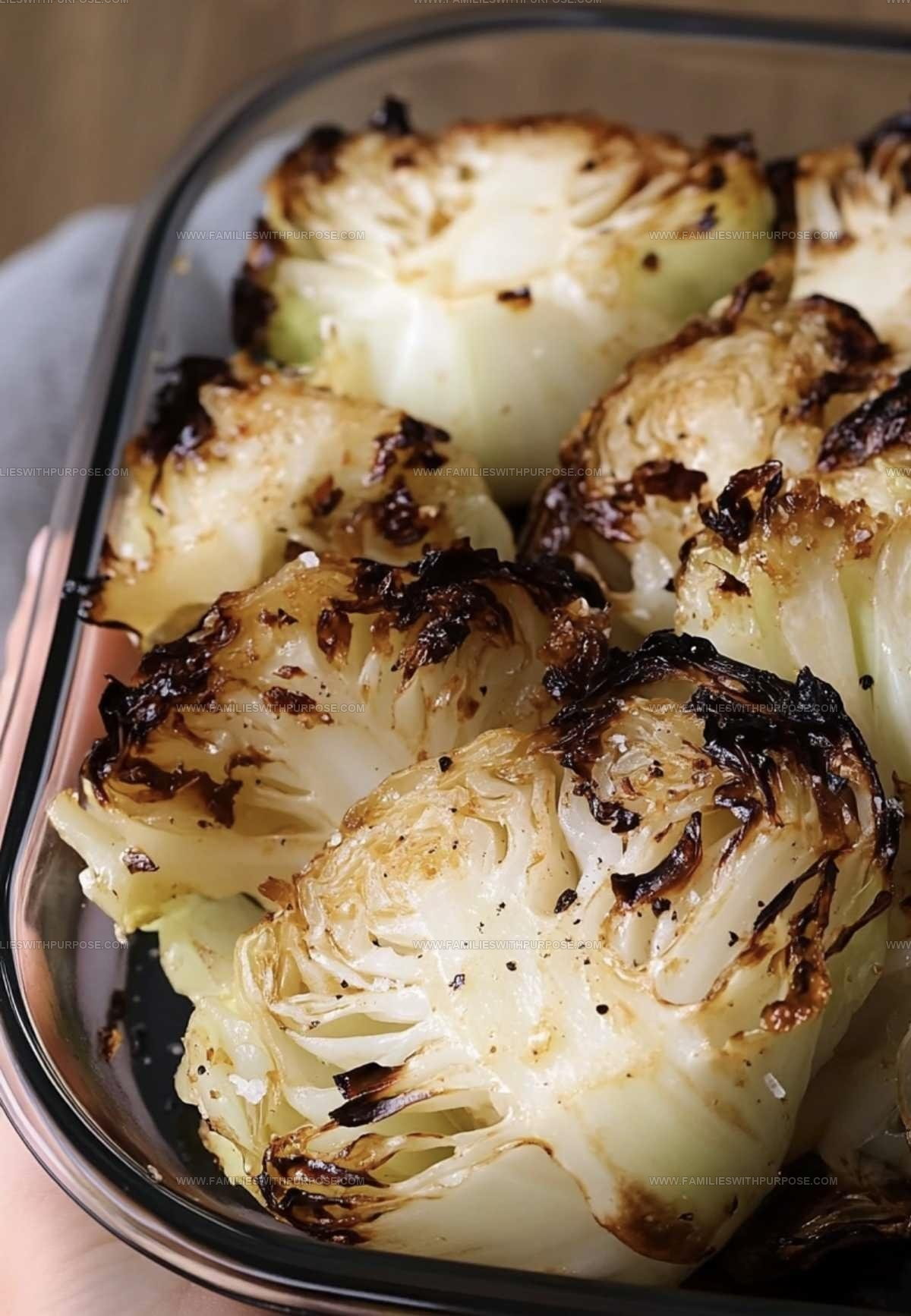
Smoky Salt and Vinegar Cabbage Recipe for Bold Flavor

Charred salt and vinegar cabbage brings bold flavors that satisfy both vegetable enthusiasts and skeptics.
Roasting at high heat transforms humble produce into something deeply savory with crispy edges that contrast beautifully against tender centers.
The combination of smoky char and bright acidity creates a balanced profile that pairs wonderfully with everything from weeknight dinners to casual gatherings.
Minimal prep time makes it accessible for busy cooks who want maximum impact without fuss.
You can serve it as a standout side dish or even enjoy it as a light main course.
Whether feeding a crowd or just cooking for yourself, it offers satisfying texture and taste that feels both comforting and exciting.
Why Charred Salt and Vinegar Cabbage Is Unique
Charred Salt and Vinegar Cabbage Ingredients
Core Ingredients:Flavor Enhancers:Finishing Touches:Charred Cabbage with Vinegar Cooking Tools
Charred Cabbage with Vinegar Cooking Instructions
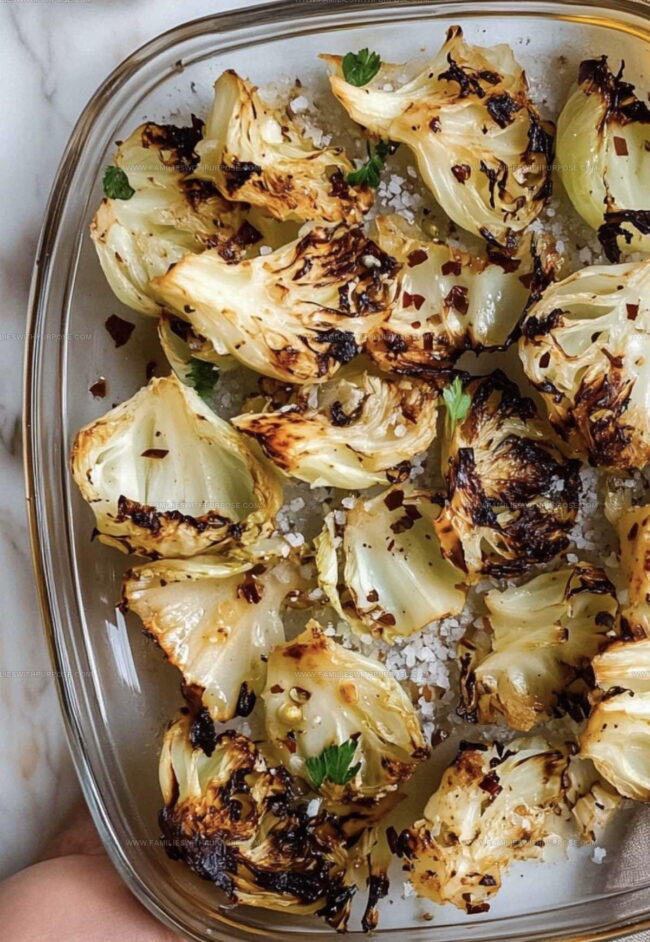
Prepare Cabbage
Grab that cabbage and slice it into hearty chunks. You’ll want to halve it first, remove the tough core, and chop into bite-sized pieces about 1-2 inches wide. This makes sure each piece gets deliciously crispy when cooking.
Heat the Skillet
Place a large skillet over medium-high heat at 400°F. Drizzle in 2 tablespoons of olive oil and let it warm up for about 1 minute. The oil should shimmer but not smoke.
Char the Cabbage
Carefully add the cabbage chunks to the hot skillet. Sprinkle with:
Let the cabbage sit undisturbed for 3-4 minutes so it develops those gorgeous dark, crispy edges. Toss occasionally to ensure even charring.
Create Flavor Sauce
Lower the heat to medium. Toss in:
Stir everything together and let the sauce simmer for 2-3 minutes until it starts to thicken slightly.
Final Touch
Sprinkle some flaky sea salt over the cabbage just before serving. The salt adds a perfect finishing crunch that brings all the flavors together. Serve hot directly from the skillet.
Which Tips Balance Charred Cabbage with Vinegar
Which Charred Cabbage with Vinegar Variations to Try
Ideal Accompaniments for Charred Cabbage with Vinegar
Keep Charred Cabbage with Vinegar Stored Safely
Charred Cabbage with Vinegar Frequently Asked Questions
Can I use other types of vinegar?
White wine, apple cider, or rice vinegar work perfectly. Each adds a slightly different tangy flavor to your cabbage.
What if my cabbage doesn’t char evenly?
Use high heat and resist stirring too much. Let each side sit undisturbed to create those delicious dark spots.
How do I know when the sauce is thick enough?
When the liquid reduces and starts coating the back of a spoon, it’s ready. The sauce will look glossy and slightly clingy.
Do I need a special type of salt?
Sea salt is best for finishing, but kosher salt works great during cooking. Avoid table salt as it can make the dish too salty.
Can I make this dish ahead of time?
Prepare it just before serving for the best texture and flavor. Cabbage can get soggy if sitting too long.
What makes the charring technique special?
Direct high heat caramelizes natural sugars in cabbage, creating deep, rich flavor without burning.
Charred Cabbage with Vinegar Recipe
- Total Time: 25 minutes
- Yield: 4 to 6 1x
Description
Charred Salt and Vinegar Cabbage delivers a tangy punch that’ll make your taste buds dance with unexpected delight. Crispy edges and sharp flavors turn simple cabbage into a side dish that’s surprisingly addictive and totally irresistible.
Ingredients
Primary Ingredients:
- 2 pounds green cabbage
- 2 tablespoons olive oil
- 1 teaspoon kosher salt
- ½ teaspoon black pepper
Flavor Enhancers:
- 2 tablespoons unsalted butter
- 4 garlic cloves
Liquid Ingredients:
- ⅓ cup vegetable broth
- ⅓ cup white vinegar
- Sea salt
Instructions
- Slice the 2-pound cabbage head in half, remove the core, and chop into roughly 2-inch chunks, ensuring each piece is relatively uniform for even cooking.
- Warm 2 tablespoons olive oil in a large cast-iron skillet over high heat at 450°F, creating an intensely hot surface that will help develop deep char marks on your cabbage.
- Carefully spread the cabbage chunks across the skillet, sprinkling 1 teaspoon kosher salt and ½ teaspoon ground black pepper directly over the pieces to enhance caramelization.
- Allow cabbage to sear undisturbed for 4-5 minutes, letting each piece develop a rich, dark brown crust without constant stirring.
- Mince 4 whole garlic cloves while the cabbage chars, preparing them for the upcoming sauce stage.
- Flip and rotate cabbage pieces to ensure even charring on multiple surfaces, cooking an additional 3-4 minutes until edges look crisp and dark.
- Reduce heat to medium and add 2 tablespoons unsalted butter, quickly stirring to prevent burning and coat the cabbage.
- Pour ⅓ cup vegetable broth and ⅓ cup white vinegar into the skillet, creating a simmering sauce that will deglaze the pan and add tangy depth.
- Gently toss cabbage in the sauce for 2-3 minutes, allowing liquid to reduce and slightly thicken around the charred pieces.
- Transfer cabbage to a serving platter, finishing with a light sprinkle of flaky sea salt to enhance the complex flavor profile.
Notes
- Selecting a fresh, firm cabbage ensures the best charring and texture for this dish.
- Cooking at high heat creates those delicious crispy edges that add depth to the flavor.
- Adjust the vinegar amount to suit your taste – some prefer a sharper tang while others like a milder touch.
- If avoiding dairy, swap butter with olive oil or a plant-based alternative for a vegan-friendly version.
- Prep Time: 10 minutes
- Cook Time: 15 minutes
- Category: Sautéed
- Method: Sautéing
- Cuisine: British
Nutrition
- Serving Size: 4 to 6
- Calories: 123
- Sugar: 3 g
- Sodium: 540 mg
- Fat: 10 g
- Saturated Fat: 4 g
- Unsaturated Fat: 6 g
- Trans Fat: 0 g
- Carbohydrates: 8 g
- Fiber: 3 g
- Protein: 2 g
- Cholesterol: 11 mg
Sophie Lane
Recipe Developer
Expertise
Family-friendly Meals, Simple Healthy Cooking, Ingredient Substitutions, Beginner-friendly Recipes, Flexible Meal Prep
Education
- Program: Professional Cook Certificate
- Focus: Online culinary training covering knife skills, cooking techniques, and plant-based and modern cooking approaches.
Schoolcraft CollegeSophie brings a calm and flexible approach to Families With Purpose. Based in Fort Collins, Colorado, she creates recipes that feel simple, clear, and easy to make at home. She focuses on family-friendly meals, healthy everyday cooking, ingredient swaps, and beginner-friendly ideas. Sophie helps make each recipe approachable and easy to follow, especially for busy families who need meals that can bend with the day.