
Quick No Yeast Soft Flatbread Recipe for Busy Weeknights

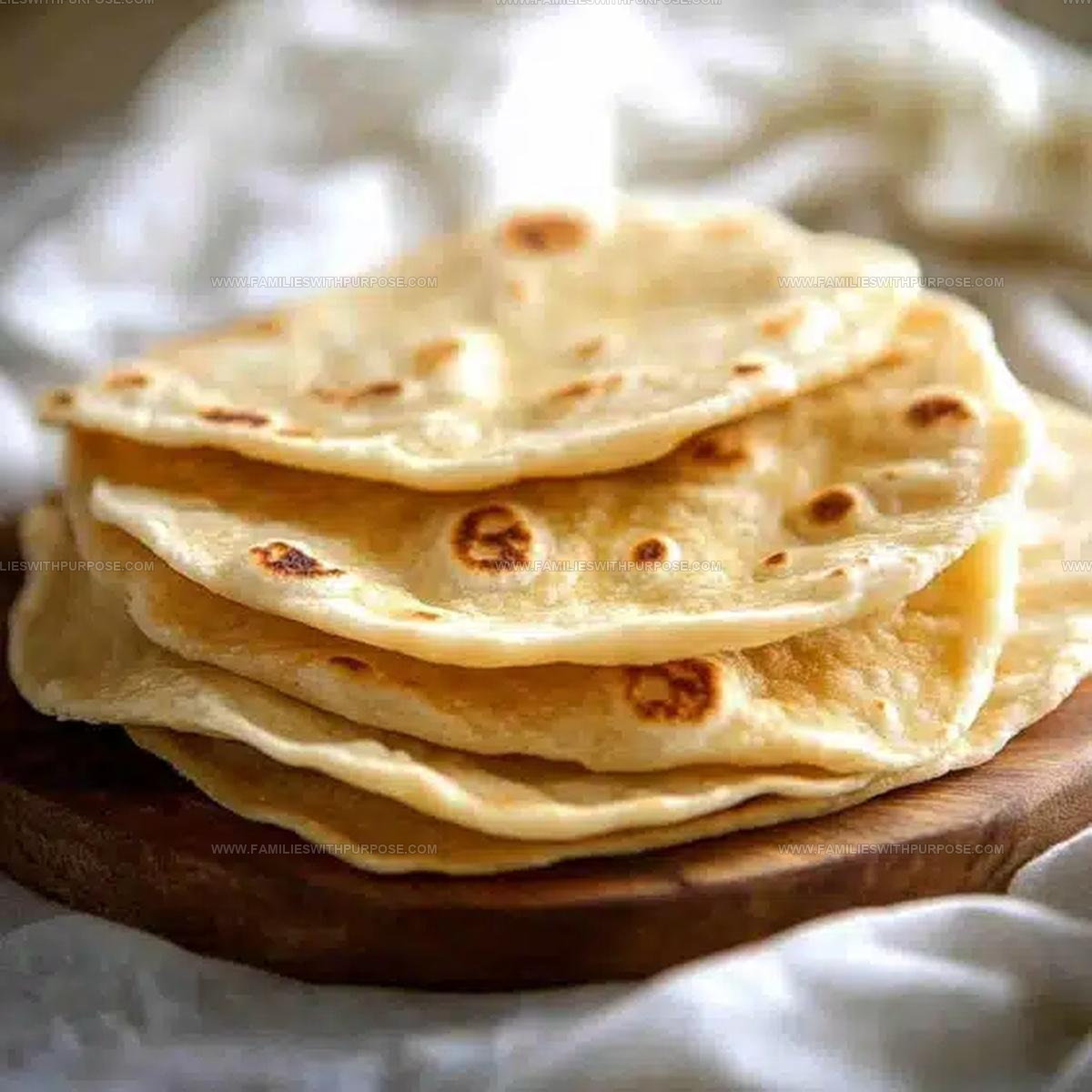
Easy No Yeast Soft Flatbread Recipe makes homemade bread accessible to everyone, even when time is short or the pantry lacks certain staples.
The beauty of flatbread lies in its simplicity and speed, turning out tender results in just minutes from start to finish.
Perfect for busy weeknights or spontaneous meals, flatbread works as a versatile side that complements nearly any cuisine.
Whether you serve it warm alongside soup, use it to scoop up dips, or wrap it around savory fillings, the possibilities fit every occasion.
The soft texture and mild flavor make it a crowd-pleaser that disappears quickly from the table.
No waiting for dough to rise means you can enjoy fresh bread whenever the craving strikes.
Roll up the sleeves and start mixing – warm, pillowy flatbread is just moments away.
Instant, Golden-Brown Bread Satisfaction with This No Yeast Flatbread
Basic Dough Ingredients That Make Soft Flatbread Work
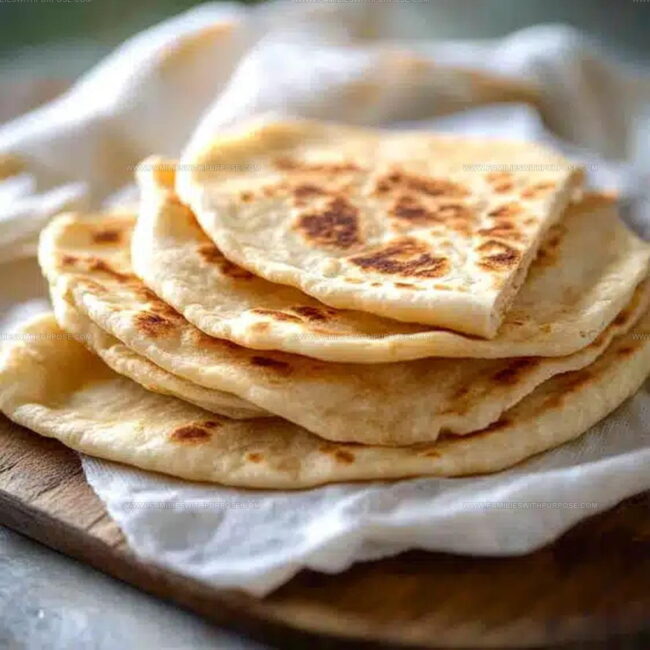
Skillets Rollers and Tools for Flatbread Success
Quick Ways to Mix, Rest, and Cook Soft Flatbread
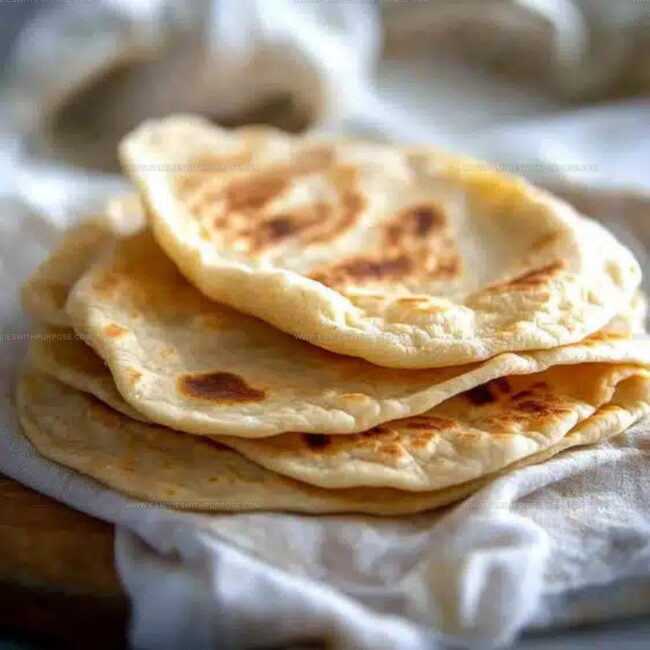
Mix the Dry Ingredients
Grab a large mixing bowl and toss in 2½ cups all-purpose flour, 2½ teaspoons baking powder, and 1 teaspoon salt. Whisk these dry ingredients together until they’re well combined. Your goal is to distribute the baking powder evenly throughout the flour.
Add Wet Ingredients
Pour in 3/4 cup plain yogurt and 1/2 cup warm water. Stir everything with a spoon until the mixture comes together into a shaggy, rough-looking dough. Don’t worry if it looks a bit messy right now.
Knead the Dough
Dust your countertop with a light sprinkle of flour. Dump the dough onto the surface and start kneading. Work the dough for about 2-3 minutes, adding tiny amounts of flour if it feels too sticky. You’re aiming for a smooth, soft texture that’s not clinging to your hands.
Divide and Shape
Split the dough into 6 equal portions. Roll each piece into a neat ball, then use a rolling pin to flatten each one into a thin round. Aim for circles about 6-7 inches wide and roughly ⅛ inch thick.
Prepare the Cooking Surface
Set a skillet over medium-high heat. Let the pan warm up for about 2 minutes before you start cooking. You want the surface hot enough to create those lovely golden spots.
Cook the Flatbreads
Place one dough round into the hot skillet. Cook for 1-2 minutes on the first side, watching for small bubbles and golden brown spots to appear. Flip and cook the other side for another 1-2 minutes. The bread should puff up slightly and develop a few toasty marks.
Keep Flatbreads Warm
Stack the cooked flatbreads on a plate and cover with a clean kitchen towel. This keeps them soft and warm. If you’re feeling extra fancy, brush them with a bit of olive oil or melted butter just before serving.
Tips for Puffing Browning and Flexibility
Yeast-Free Dough Substitutions For Soft Flatbread
Fresh Yeast-Free Bread Pairings For Soft Flatbread
Quick Bread Freshness Protocols For Soft Flatbread
Easy Flatbread FAQs for Soft and Flexible Results
Can I substitute the yogurt?
Greek yogurt works best, but regular plain yogurt also creates soft flatbreads. Avoid flavored varieties.
What if my dough feels too dry?
Gradually add small amounts of warm water while kneading. The dough should feel smooth and elastic without cracking.
Do I need a special pan?
A regular nonstick skillet or cast-iron pan works perfectly. Just ensure the surface is clean and heated evenly.
How thin should I roll the flatbreads?
Aim for about 1/8 inch thick. Too thick makes dense bread, while too thin causes crispy results.
Can I make these ahead of time?
Absolutely. Store cooled flatbreads in an airtight container for 23 days. Reheat briefly in a skillet before serving.
Is this recipe beginner-friendly?
Yes! With basic ingredients and simple steps, even novice bakers can create delicious flatbreads quickly.
Easy No Yeast Soft Flatbread Recipe
- Total Time: 42 minutes
- Yield: 4 1x
Description
No-yeast Flatbread rocks your kitchen with simple ingredients and zero complicated steps! Mixing flour, salt, and yogurt creates a quick bread that delivers warm, tender results perfect for any meal companion.
Ingredients
Main Ingredients:
- 2.5 cups all-purpose flour
- ¾ cup plain yogurt (Greek or regular)
- ½ cup warm water
Supporting Ingredients:
- 2.5 teaspoons baking powder
- 1 teaspoon salt
Optional Ingredients:
- Olive oil or melted butter for brushing
Instructions
- Grab your spacious mixing vessel and combine 212 cups all-purpose flour, 212 teaspoons baking powder, and 1 teaspoon salt. These dry ingredients will form your flatbread’s foundation.
- Pour 34 cup plain yogurt and 12 cup warm water into the flour mixture. Blend ingredients with a spoon until a slightly rough dough emerges.
- Transfer the dough onto a flour-dusted surface. Knead for precisely 2 minutes, incorporating additional flour if the texture feels too sticky. Your goal is a smooth, cohesive dough.
- Separate the dough into 6 identical portions. Roll each chunk into a perfect sphere, then carefully flatten and stretch into thin circles measuring 6-7 inches in diameter.
- Select a heavy skillet and warm it over medium-high heat (approximately 375°F). No additional oil is necessary for cooking.
- Gently place one flatbread round into the heated skillet. Cook for exactly 45-60 seconds until golden-brown spots develop and slight puffing occurs.
- Flip the flatbread and cook the opposite side for another 45-60 seconds. Repeat the process with remaining dough rounds.
- Stack the freshly cooked flatbreads and drape a clean kitchen towel over them. This keeps the breads warm and maintains their soft texture.
- Optional: Brush the finished flatbreads with 1-2 tablespoons olive oil or melted butter for extra richness and shine.
Notes
- Knead the dough gently to keep the texture tender and prevent making the flatbread tough.
- Use full-fat Greek yogurt for the richest, most pillowy texture in your flatbreads.
- If your dough feels too sticky, sprinkle flour gradually and work it in carefully to maintain moisture.
- For gluten-free adaptation, swap wheat flour with a cup-for-cup gluten-free blend and add an extra tablespoon of yogurt to help bind the dough.
- Prep Time: 30 minutes
- Cook Time: 12 minutes
- Category: Sautéed
- Method: Sautéing
- Cuisine: Middle Eastern
Nutrition
- Serving Size: 4
- Calories: 180 kcal
- Sugar: 1 g
- Sodium: 320 mg
- Fat: 2 g
- Saturated Fat: 0.5 g
- Unsaturated Fat: 1.3 g
- Trans Fat: 0 g
- Carbohydrates: 35 g
- Fiber: 1 g
- Protein: 6 g
- Cholesterol: 5 mg
Sophie Lane
Recipe Developer
Expertise
Family-friendly Meals, Simple Healthy Cooking, Ingredient Substitutions, Beginner-friendly Recipes, Flexible Meal Prep
Education
- Program: Professional Cook Certificate
- Focus: Online culinary training covering knife skills, cooking techniques, and plant-based and modern cooking approaches.
Schoolcraft CollegeSophie brings a calm and flexible approach to Families With Purpose. Based in Fort Collins, Colorado, she creates recipes that feel simple, clear, and easy to make at home. She focuses on family-friendly meals, healthy everyday cooking, ingredient swaps, and beginner-friendly ideas. Sophie helps make each recipe approachable and easy to follow, especially for busy families who need meals that can bend with the day.