
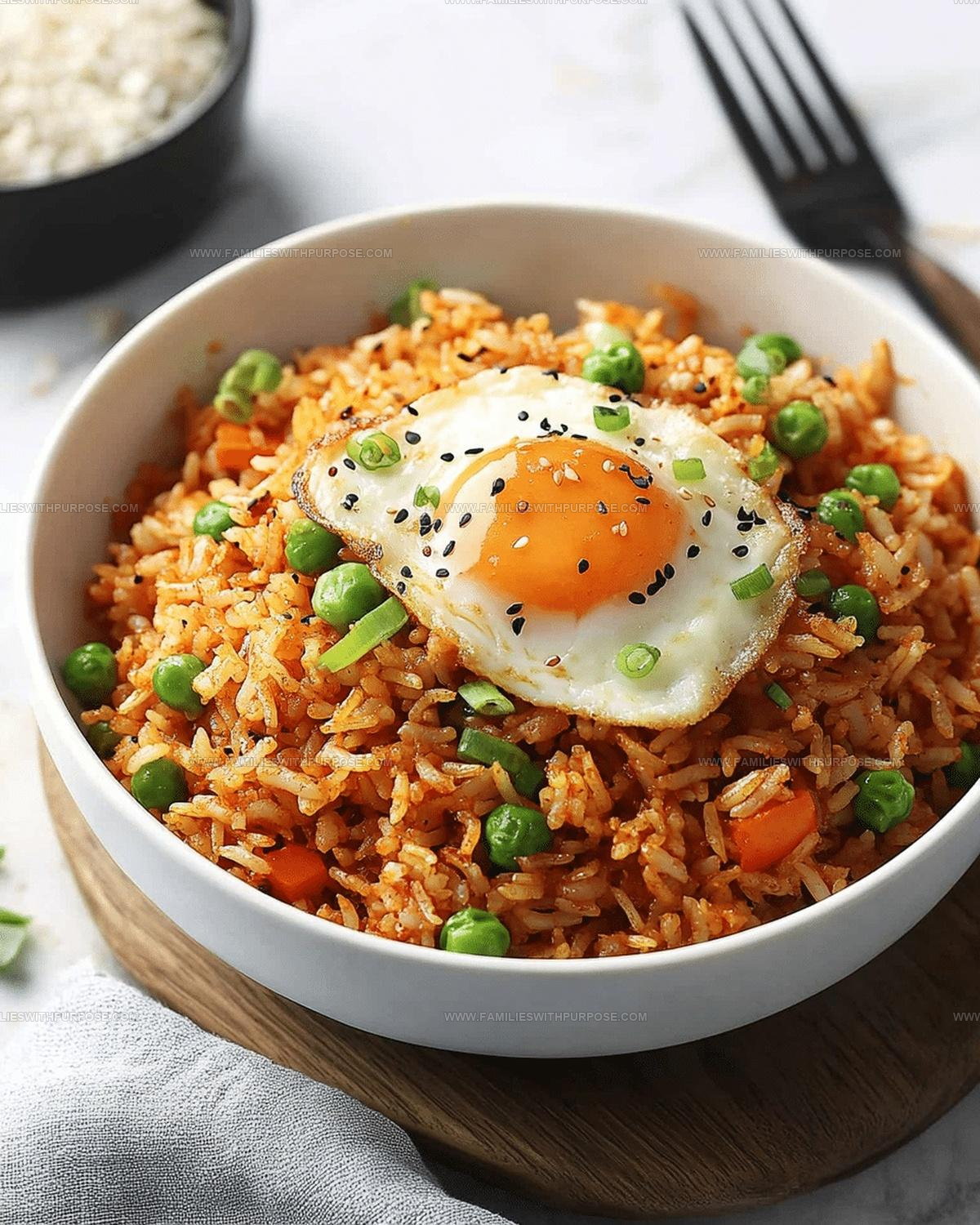
Gochujang Fried Rice Recipe for Spicy Korean Comfort

Gochujang fried rice sparks serious excitement for anyone craving bold Korean-inspired flavors! Spicy, umami-packed meals never disappoint hungry food enthusiasts seeking something extraordinary.
Comfort meets adventure in this simple yet spectacular dish that transforms ordinary ingredients into something magical.
Weekend cooking becomes a delightful experience with such an exciting recipe waiting to be mastered.
Home cooks love how quickly this meal comes together, creating restaurant-quality results without complex techniques.
Perfectly balanced between heat and richness, the recipe promises a satisfying experience that will become an instant favorite.
Why You’ll Love Gochujang Fried Rice
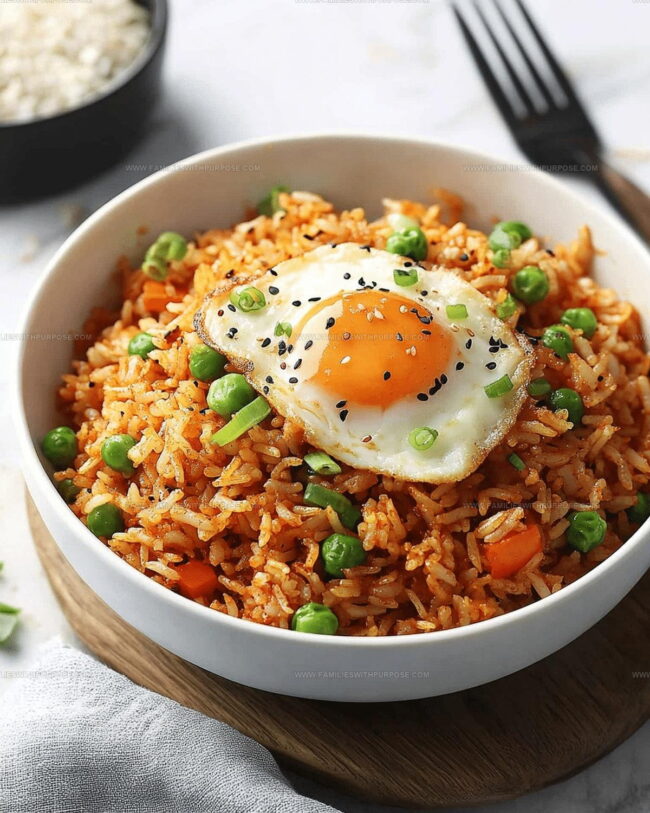
Gochujang Fried Rice Ingredient List
Main Sauce Ingredients:Rice and Vegetable Base:Protein and Finishing Touches:Essential Kitchen Tools for Gochujang Fried Rice
How to Prepare Gochujang Fried Rice
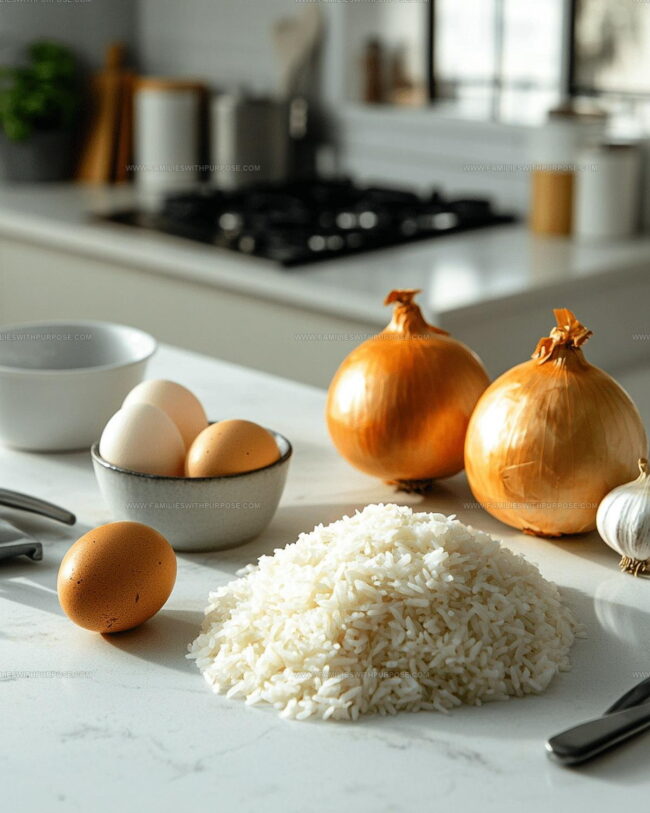
Whip Up the Sauce
Grab a small bowl and whisk together 3 tablespoons gochujang paste, 2 tablespoons low-sodium soy sauce, and 1 teaspoon sesame oil until smooth. Set this flavor bomb aside while you prep the rest.
Sauté the Aromatics
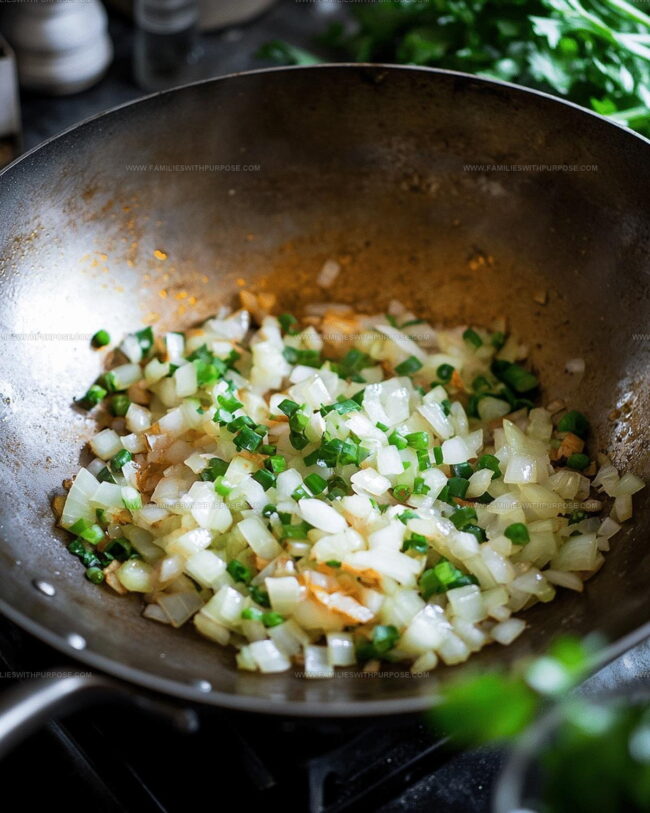
Heat 1 tablespoon vegetable oil in a wok over medium-high heat. Toss in the diced half onion and cook for 2-3 minutes until it starts to soften. Drop in 2 minced garlic cloves and let them sizzle for 30 seconds. Scoop everything into a separate bowl and keep it handy.
Crisp the Rice
Add another splash of vegetable oil to the wok. Spread out 3 cups of day-old chilled rice, letting it sit and get crispy for 2-3 minutes. Transfer this golden rice to the bowl with your onion and garlic mixture. Repeat the process if needed to get those perfect crispy bits.
Warm the Veggies
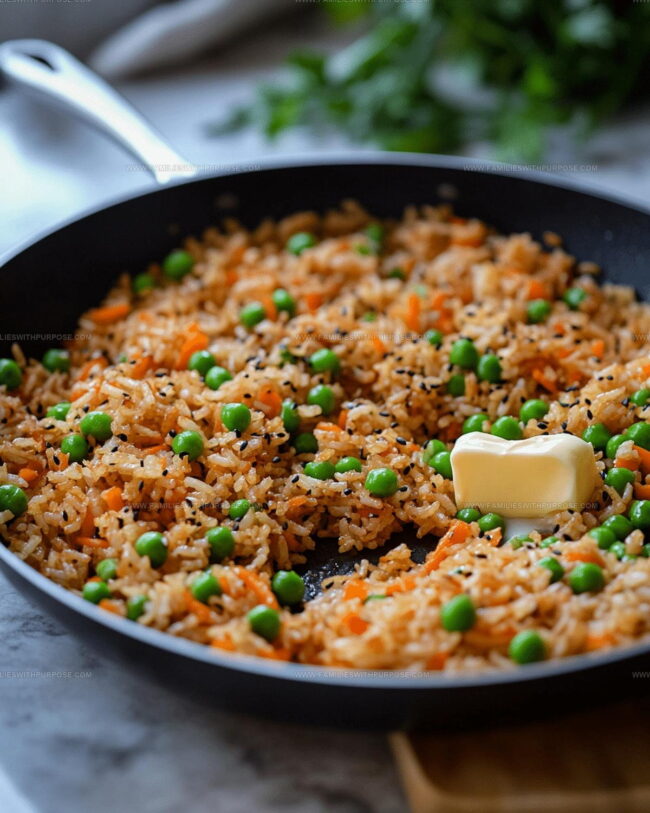
Melt 2 tablespoons unsalted butter in the wok. Toss in:
Stir everything around until the vegetables are heated through and looking vibrant.
Bring It All Together
Return the rice, onions, and garlic to the wok. Pour in the gochujang sauce and toss everything to coat evenly. Let it cook for another 1-2 minutes to blend all those amazing flavors.
Top with Eggs
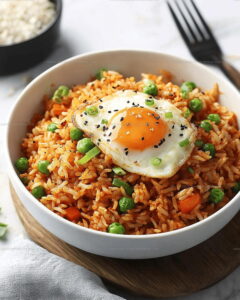
Fry 4 large eggs to your preferred doneness in a separate pan. Divide the rice into 4 bowls and crown each with a perfectly cooked egg.
Final Flourish
Sprinkle 2 sliced green onions over the top if you’re feeling fancy. Dig in while it’s hot and enjoy your spicy, crispy creation!
Practical Cooking Advice for Gochujang Fried Rice
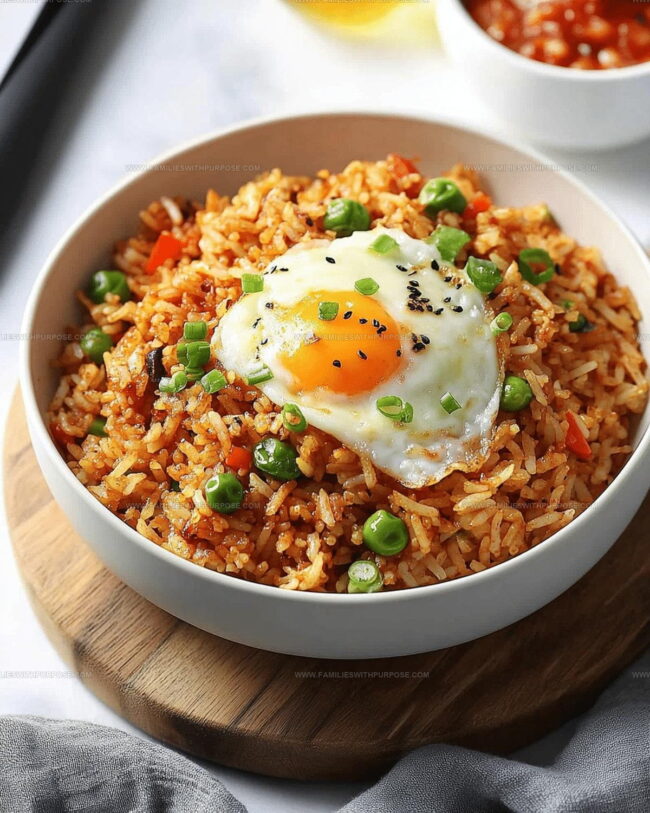
Creative Variations For Gochujang Fried Rice
How To Serve Gochujang Fried Rice
Storage Notes For Gochujang Fried Rice
Gochujang Fried Rice Popular Questions
What is gochujang and why does it make this rice special?
Gochujang is a Korean red chili paste that adds deep, spicy-sweet complexity to the dish, giving the fried rice a bold, tangy flavor that sets it apart from standard recipes.
Can a vegetarian version work?
Absolutely. Simply skip the eggs and use plant-based butter for sautéing. The gochujang sauce delivers incredible flavor without meat.
How spicy will this rice be?
The gochujang brings moderate heat. If you prefer less spice, reduce the amount of paste or choose a mild version of the chili sauce.
Do I need a wok to make this recipe?
A large skillet works perfectly fine. The key is having enough surface area to crisp the rice without overcrowding the pan.
Can I use frozen vegetables instead of fresh?
Frozen peas and carrots work great. Just thaw them slightly before adding to prevent excess moisture in the pan.
What type of rice works best?
Day-old, cold rice is perfect because it’s drier and crisps up beautifully. Jasmine or long-grain white rice are excellent choices for this recipe.
Gochujang Fried Rice Recipe
- Total Time: 20 minutes
- Yield: 4 1x
Description
Gochujang fried rice brings spicy Korean comfort right to your dinner table with minimal effort and maximum flavor. Toss leftover rice with this fiery condiment, crisp vegetables, and a quick protein for a weeknight meal that’ll satisfy your craving for something bold and delicious.
Ingredients
Main Ingredients:
- 3 cups long-grain rice
- 1 cup frozen peas and carrots
- 4 large eggs
- ½ small onion
- 2 cloves garlic
Sauce Ingredients:
- 3 tablespoons gochujang paste
- 2 tablespoons low-sodium soy sauce
- 1 teaspoon sesame oil
Supporting Ingredients:
- 3 tablespoons vegetable oil
- 2 tablespoons unsalted butter
- 1 tablespoon sesame seeds
- 2 green onions
Instructions
- Whisk 3 tablespoons gochujang, 2 tablespoons soy sauce, and 1 teaspoon sesame oil in a small bowl until smooth. Set your sauce mixture aside.
- Heat 1 tablespoon vegetable oil in a wok at medium-high heat. Sauté diced onion for 2-3 minutes until translucent.
- Add 2 minced garlic cloves and cook for 30 seconds. Transfer the onion-garlic mixture to a separate bowl.
- Pour another splash of oil into the wok. Spread 3 cups of cold, day-old rice across the surface and let it crisp for 2-3 minutes without stirring.
- Flip and continue frying rice until golden and slightly crunchy. Transfer to the bowl with onion-garlic mixture.
- Melt 2 tablespoons butter in the wok. Add 1 cup frozen peas and carrots with 1 tablespoon sesame seeds.
- Return rice and onion mixture to the wok. Pour prepared sauce over everything and toss to coat completely.
- Cook the combined ingredients for 1-2 minutes at medium heat, ensuring everything is heated through.
- In a separate pan, fry 4 eggs at medium heat until your preferred doneness is reached.
- Divide rice into 4 serving bowls. Top each bowl with a fried egg.
- Garnish with 2 sliced green onions if desired.
Notes
- Make sure rice is cold and slightly dry for the best texture, as freshly cooked rice can become mushy when frying.
- Toast sesame seeds in a dry pan before adding to the dish to enhance their nutty flavor and bring out deeper aromatics.
- For a vegetarian version, swap eggs with crispy tofu and use plant-based butter to keep the recipe adaptable.
- Customize heat levels by adjusting gochujang quantity, allowing more or less spice depending on your personal preference.
- Prep Time: 5 minutes
- Cook Time: 15 minutes
- Category: Stir-Fried
- Method: Frying
- Cuisine: Korean
Nutrition
- Serving Size: 4
- Calories: 470 kcal
- Sugar: 5 g
- Sodium: 550 mg
- Fat: 25 g
- Saturated Fat: 7 g
- Unsaturated Fat: 17 g
- Trans Fat: 0.2 g
- Carbohydrates: 50 g
- Fiber: 4 g
- Protein: 15 g
- Cholesterol: 185 mg
Sophie Lane
Recipe Developer
Expertise
Family-friendly Meals, Simple Healthy Cooking, Ingredient Substitutions, Beginner-friendly Recipes, Flexible Meal Prep
Education
- Program: Professional Cook Certificate
- Focus: Online culinary training covering knife skills, cooking techniques, and plant-based and modern cooking approaches.
Schoolcraft CollegeSophie brings a calm and flexible approach to Families With Purpose. Based in Fort Collins, Colorado, she creates recipes that feel simple, clear, and easy to make at home. She focuses on family-friendly meals, healthy everyday cooking, ingredient swaps, and beginner-friendly ideas. Sophie helps make each recipe approachable and easy to follow, especially for busy families who need meals that can bend with the day.