
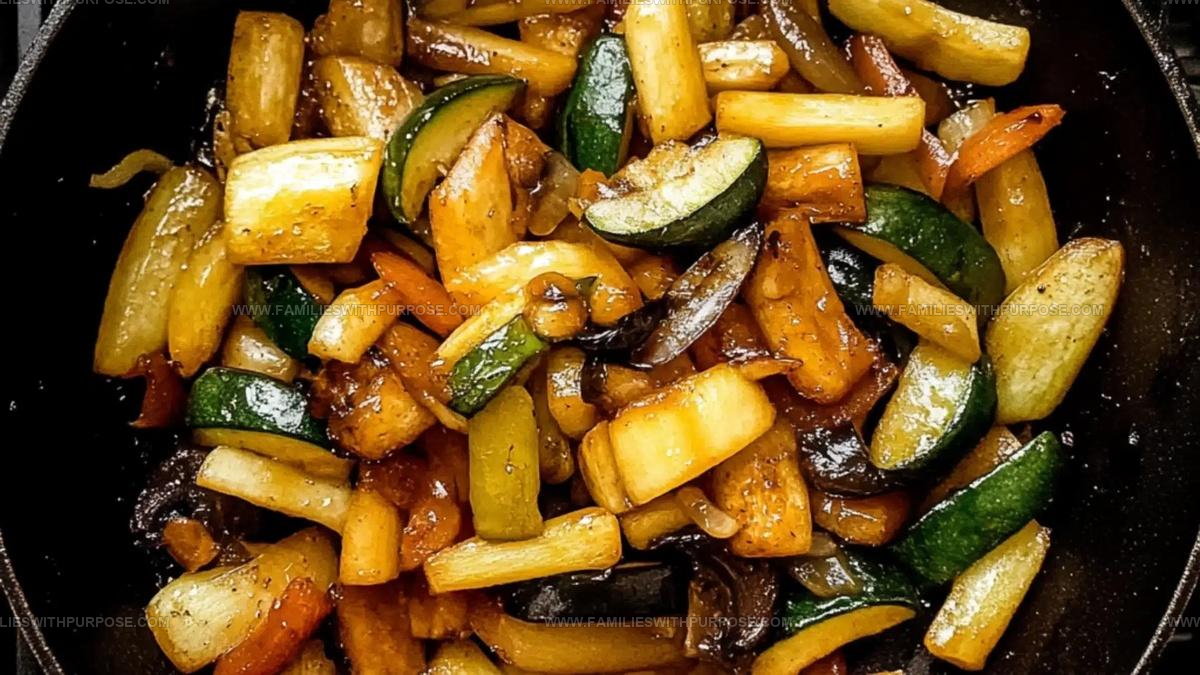
Smoky Hibachi Vegetables Recipe for Grilled Flavor at Home

Hibachi vegetables spark joy for home cooks seeking restaurant-style magic right in their kitchen.
Sizzling, aromatic, and packed with bold flavors, this simple recipe transforms ordinary produce into an extraordinary dining experience.
Professional chefs have long understood the secret of creating memorable vegetable dishes that tantalize taste buds and satisfy hunger.
Charred edges and perfectly seasoned vegetables promise a delightful meal that feels both familiar and exciting.
Mastering hibachi-style cooking requires minimal equipment but delivers maximum satisfaction for anyone craving something special at home.
Vegetable enthusiasts and flavor seekers will appreciate how quickly this method elevates humble ingredients into a stunning side dish or main course.
What Makes Hibachi Vegetables So Enjoyable
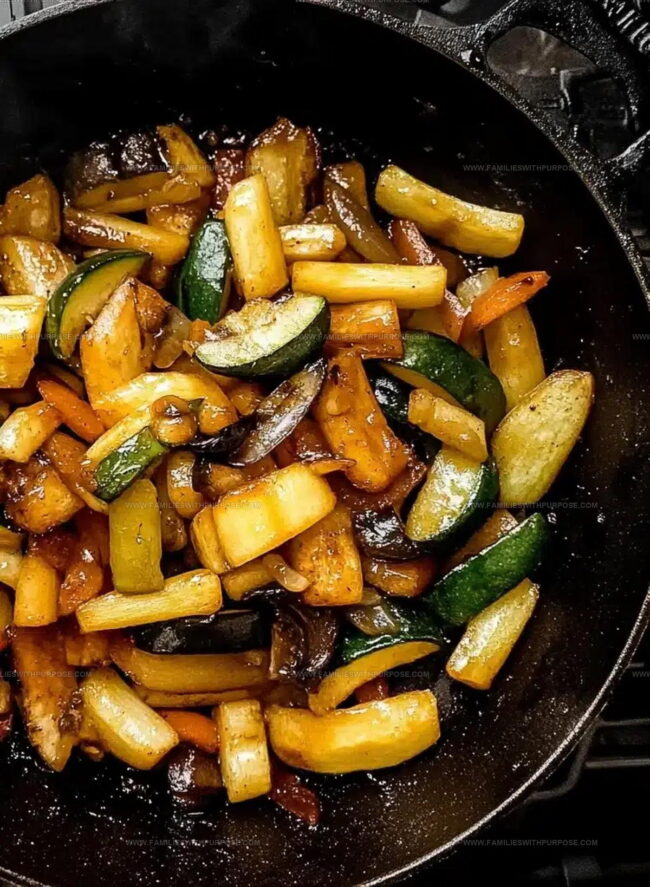
What Ingredients Do You Need to Make Hibachi Vegetables
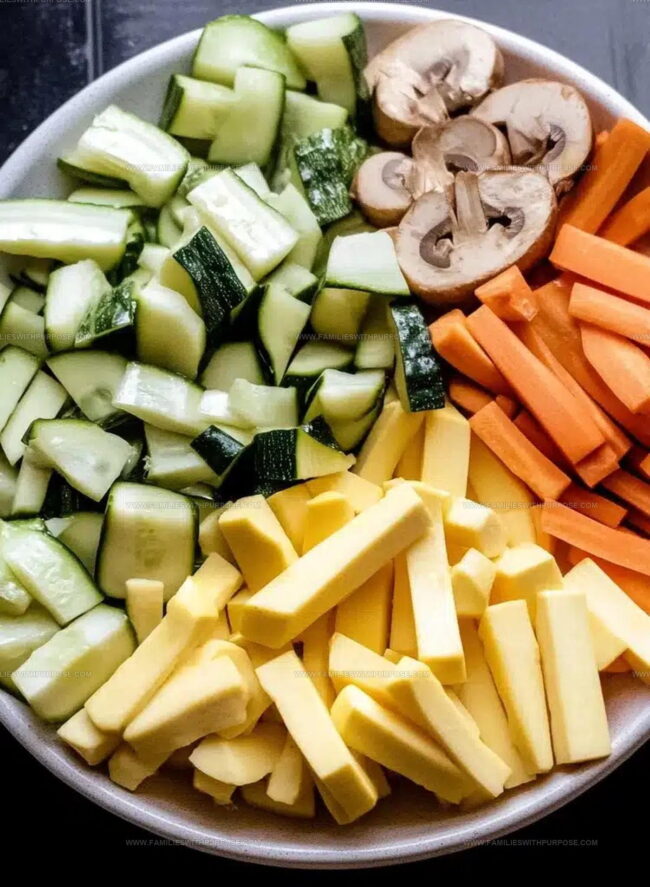
Required Kitchen Tools for Hibachi Vegetables
Easy Way to Make Hibachi Vegetables
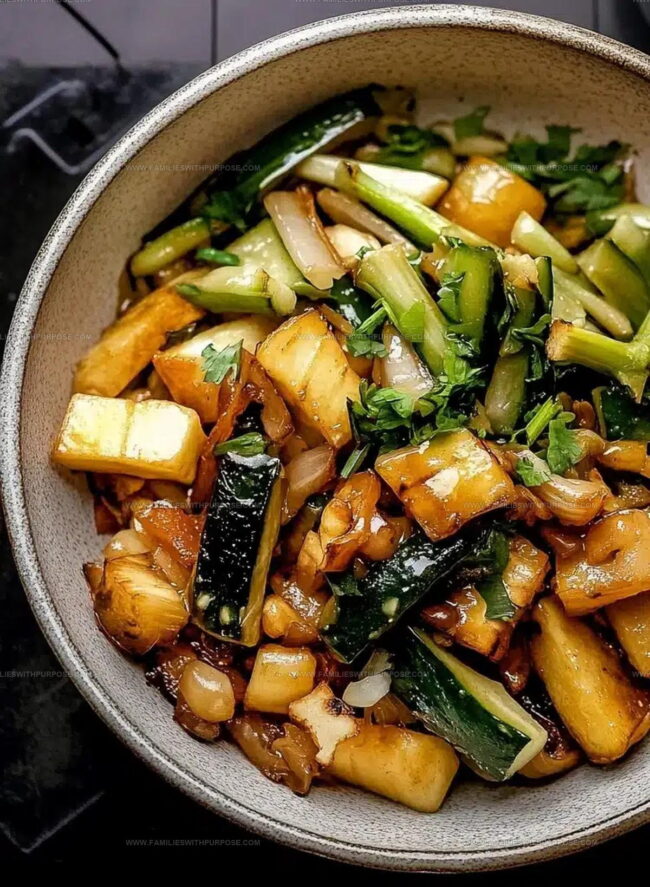
Prepare Cooking Pan
Grab a large skillet or wok and pour 2 tablespoons of vegetable oil across the surface. Heat the pan to 375°F over medium-high heat until the oil starts to shimmer.
Slice Fresh Vegetables
Chop your fresh vegetables into similar-sized pieces:
Stir-Fry Vegetables
Toss all your sliced vegetables into the hot pan. Cook them for 5-7 minutes, stirring frequently to ensure even browning. Your vegetables should turn tender and develop a nice golden color around the edges.
Create Flavor Sauce
Lower the heat to medium and add these flavor boosters:
Stir everything together so each vegetable gets coated with the delicious sauce.
Season and Finish
Sprinkle salt and pepper across the vegetables to your taste. Continue cooking for another 2-3 minutes to let the flavors blend perfectly.
Serve Hot
Transfer your colorful vegetables to a serving dish. Sprinkle some sesame seeds on top if you want extra crunch. Serve immediately while the vegetables are hot and full of flavor.
Tried-And-True Notes for Hibachi Vegetables
What Are Different Hibachi Vegetables Variations
Easy Serving Ideas For Hibachi Vegetables
How To Store Hibachi Vegetables
Hibachi Vegetables Questions Readers Often Ask
What vegetables work best for hibachi-style cooking?
Zucchini, onions, bell peppers, and mushrooms are perfect because they cook quickly and absorb flavors wonderfully. Choose fresh, crisp vegetables for the best results.
Can I make this recipe vegan?
Absolutely! The recipe is naturally vegan. Just ensure your soy sauce is vegan-friendly and skip any animal-based garnishes.
How do I prevent vegetables from getting soggy?
Use high heat and don’t overcrowd the pan. Stir-fry quickly and keep vegetables moving to maintain their crisp texture and bright colors.
Is sesame oil necessary for authentic flavor?
Sesame oil adds a rich, nutty taste that’s classic in hibachi cooking. If you don’t have it, use a small amount of toasted sesame seeds for similar depth.
What protein can I add to make this a complete meal?
Tofu, tempeh, grilled chicken, shrimp, or beef pair beautifully with these hibachi-style vegetables. Protein adds extra nutrition and makes the dish more filling.
How spicy can I make this dish?
Add red pepper flakes, sriracha, or chopped fresh chili to increase heat. Start with a small amount and adjust to your personal spice preference.
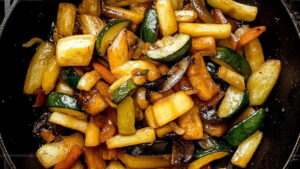
Hibachi Vegetables Recipe
- Total Time: 15 minutes
- Yield: 4 1x
Description
Sizzling hibachi vegetables bring pure restaurant-style magic right to your kitchen with minimal effort. Crisp, tender veggies tossed in a savory sesame sauce guarantee a quick and satisfying side that will have your family asking for seconds.
Ingredients
Main Vegetables:
- 1 large zucchini, sliced
- 1 large onion, sliced
- 1 cup mushrooms, sliced
- 1 bell pepper, sliced
Seasonings and Liquids:
- 2 tablespoons soy sauce
- 1 tablespoon sesame oil
- 2 tablespoons vegetable oil
- 2 cloves garlic, minced
Finishing Touches:
- Salt and pepper to taste
- Sesame seeds
Instructions
- Grab a large skillet or wok and heat 2 tablespoons vegetable oil over medium-high heat until the surface shimmers and looks slightly wavy.
- Drop sliced zucchini, onion, mushrooms, and bell pepper into the hot oil, spreading them evenly across the cooking surface.
- Stir-fry the vegetables vigorously for 5-7 minutes, moving them constantly to ensure they brown evenly without burning.
- Lower the heat to medium and pour in 2 tablespoons soy sauce, 1 tablespoon sesame oil, and 2 minced garlic cloves.
- Toss the vegetables thoroughly to ensure every piece gets coated with the fragrant sauce mixture.
- Sprinkle salt and pepper across the vegetables, using just enough to enhance their natural flavors.
- Continue cooking for an additional 2-3 minutes, stirring occasionally to prevent sticking and help ingredients absorb the seasonings.
- Transfer the sizzling vegetables to a serving dish, making sure to scrape all the delicious sauce from the pan.
- Optionally, dust the top with a light sprinkle of sesame seeds for extra texture and visual appeal.
Notes
- Prep vegetables in similar-sized pieces to ensure even cooking and consistent texture.
- Choose a wide skillet or wok to give vegetables enough space for proper stir-frying without steaming.
- Opt for high heat and quick cooking to maintain crisp vegetable texture and prevent soggy results.
- For gluten-free adaptation, replace standard soy sauce with tamari or coconut aminos to keep the same umami flavor profile.
- Prep Time: 5 minutes
- Cook Time: 10 minutes
- Category: Sautéed
- Method: Sautéing
- Cuisine: Japanese
Nutrition
- Serving Size: 4
- Calories: 120 kcal
- Sugar: 4 g
- Sodium: 600 mg
- Fat: 10 g
- Saturated Fat: 1.5 g
- Unsaturated Fat: 8 g
- Trans Fat: 0 g
- Carbohydrates: 9 g
- Fiber: 3 g
- Protein: 2 g
- Cholesterol: 0 mg
Mason Carter
Founder
Expertise
Family Meal Routines, Simple One-pot Meals, Budget-friendly Cooking, Quick Dinner Planning, Batch Cooking Systems
Education
- Certificate: Culinary Arts
- Focus: Training in core cooking techniques, kitchen operations, and real food preparation through hands-on experience in professional-style kitchens.
Penn Foster Career School (Online)Mason is the founder of Families With Purpose and the heart behind its simple, family-focused recipes. Based in Greenville, South Carolina, he creates meals that fit into busy routines and bring people back to the table. He focuses on easy dinners, one-pot meals, budget-friendly cooking, and practical weekly meal planning. Mason has built a recipe collection shaped by real family life, with clear methods and repeatable meals that work on everyday schedules.