
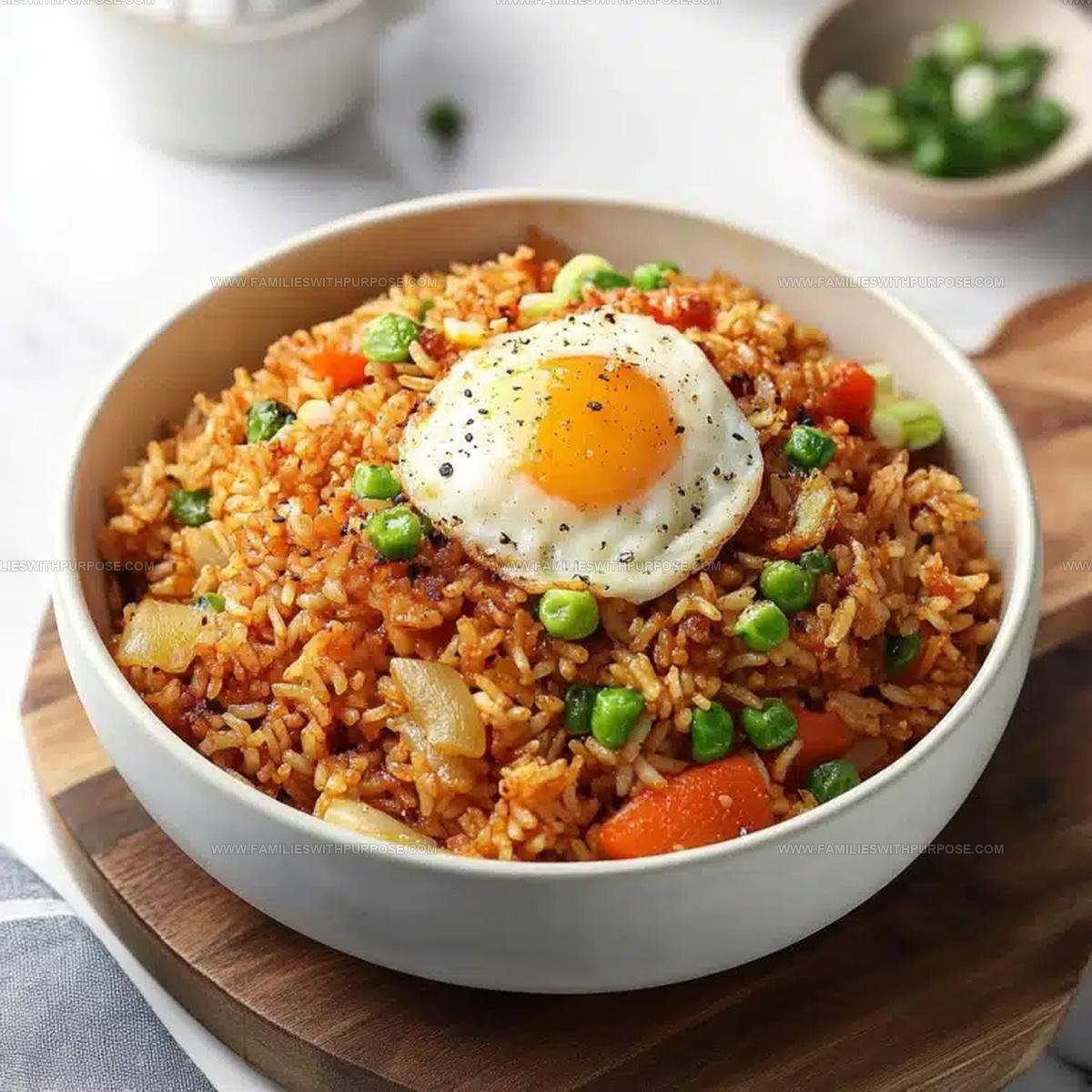
Gochujang Fried Rice Recipe To Sizzle Bold

Spicy Gochujang Fried Rice brings bold Korean flavors right to the comfort of a quick weeknight dinner that satisfies every craving.
The fermented heat creates an addictive balance between savory depth and just enough kick to keep things interesting without overwhelming the palate.
Busy evenings call for something fast yet packed with personality, and the beauty lies in how effortlessly everything comes together in one pan.
Leftovers become something special when tossed with that signature red paste, proving that simple meals can deliver serious flavor.
Whether you need lunch inspiration or a satisfying late-night bite, the versatility makes it perfect for any occasion.
The combination works beautifully as a standalone dish or alongside other favorites for a complete spread.
Why the Bold, Umami-Rich Heat of Gochujang Fried Rice Wins Every Time
Umami & Heat Staples: Ingredients of Gochujang Fried Rice
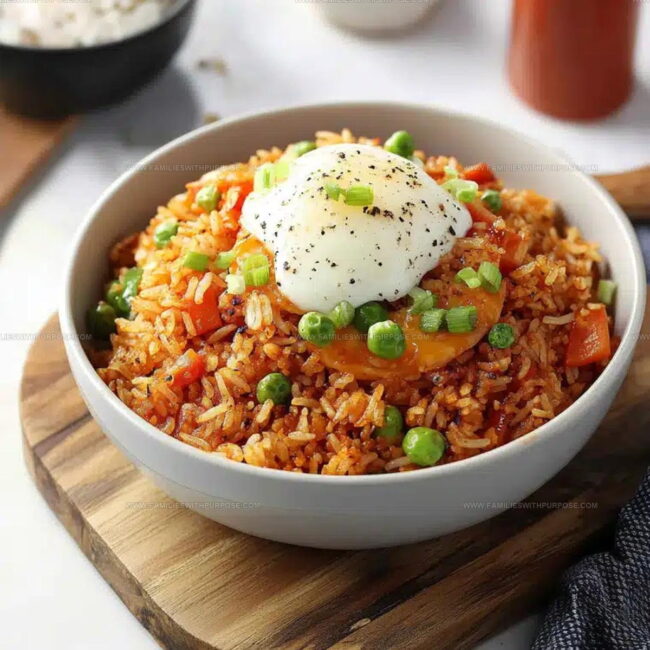
High-Heat Woks And Tossing Tools For Gochujang Fried Rice
How to Navigate the Stir-Fry Flow for Gochujang Fried Rice
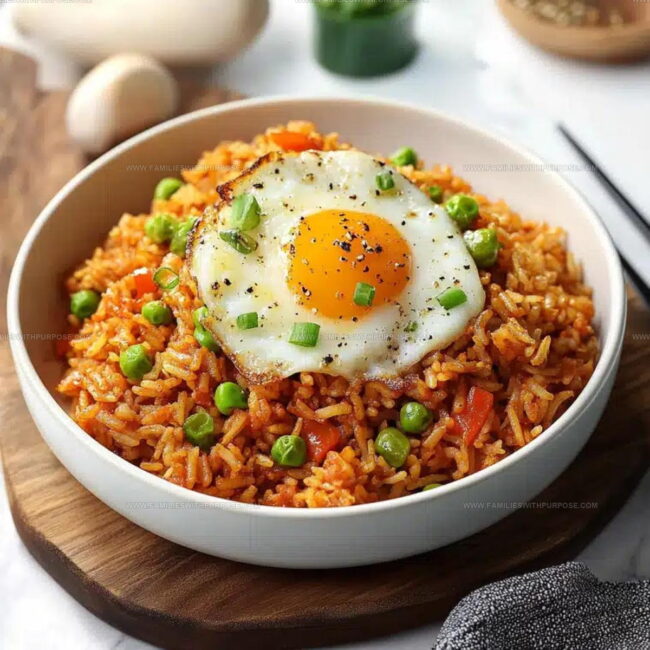
Prepare Rice Grab your 2 cups of cold, day-old rice from the refrigerator. Fresh rice works too, but let it cool in the fridge for about 30 minutes to prevent clumping when frying.
Heat the Pan Warm 1 tablespoon (15 ml) of sesame oil in a large frying pan over medium heat at 350°F (175°C).
Cook Vegetables Add the chopped ingredients to the pan:
Sauté these for 2-3 minutes until the vegetables start to soften and become fragrant.
Optional Egg Addition Push the vegetables to one side of the pan. Crack 2 large eggs into the empty space. Scramble the eggs for 1-2 minutes until fully cooked, then mix them into the vegetable mixture.
Create Gochujang Sauce In a small bowl, combine the sauce ingredients:
Whisk these together until well blended.
Add Rice and Sauce Pour the cold rice into the pan with the vegetables and eggs. Stir everything together. Pour the gochujang sauce over the rice, mixing thoroughly to coat every grain evenly.
Crisp the Rice Continue cooking for 3-4 minutes, letting the rice develop a slight crispiness and golden-brown edges.
Final Garnish Remove the pan from heat. Sprinkle the top with:
Serve hot and enjoy your spicy fried rice straight from the pan!
Heat Control Tips For Gochujang Fried Rice Nights
Spicy Fusion Interpretations Of Gochujang Fried Rice
Spicy Fusion Bowl Presentations For Gochujang Rice
Spicy Grain Freshness Maneuvers For Gochujang Rice
Gochujang Fried Rice FAQs and Spicy Stir Fry Tips
What does gochujang taste like?
Gochujang is a Korean red chili paste that brings a complex flavor combining spicy, sweet, and umami notes. It adds a deep, rich heat that’s different from typical hot sauces.
Can vegetarians make this dish?
Absolutely! Simply skip the eggs and replace them with tofu or extra vegetables to keep the protein content high.
How spicy is gochujang fried rice?
The heat level depends on the specific gochujang brand you use. Some are mild, while others pack serious punch. Start with less sauce and add more to control your spice tolerance.
Do I need a wok to make this recipe?
No, a large frying pan works perfectly. The key is having enough surface area to fry the rice evenly and let it get slightly crispy.
What if my rice is too moist?
Spread your rice on a baking sheet and let it air dry for 15-20 minutes before cooking. Dry rice ensures better texture and prevents clumping.
Can I make this dish ahead of time?
Fried rice tastes best fresh, but you can prep ingredients in advance and quickly cook everything right before serving.

Korean Style Spicy Gochujang Fried Rice Recipe
- Total Time: 45-48 minutes
- Yield: 2 1x
Description
Korean Gochujang Fried Rice turns boring leftovers into a spicy, quick dinner that saves your evening. Tossing cold rice with fiery gochujang sauce creates a seriously delicious meal that disappears from plates faster than you can grab seconds.
Ingredients
Main Ingredients:
- 2 cups rice
- 23 tablespoons gochujang
- 2 large eggs
- 1 small onion
- ½ cup carrots
- ½ cup bell pepper
Supporting Ingredients:
- 1 tablespoon sesame oil
- 2 cloves garlic
- 1 tablespoon soy sauce
- 1 teaspoon rice vinegar
- 1 teaspoon sugar
Garnish Ingredients:
- 1 tablespoon sesame seeds
- 23 green onions
- Fresh cilantro
Instructions
- Retrieve your cold, day-old rice from the refrigerator. Ensure the rice grains are separated and not clumped together, which helps create perfect crispy texture.
- Place a large skillet or wok over medium heat. Pour 15 milliliters (1 tablespoon) sesame oil and wait 30 seconds until it shimmers slightly.
- Add 1 small diced onion to the hot oil. Sauté for 2-3 minutes until the onion turns translucent and softens. Introduce 2 minced garlic cloves and cook for another 30 seconds.
- Toss 120 grams (½ cup) diced carrots and bell peppers into the pan. Stir continuously for 2-3 minutes, maintaining a crisp-tender vegetable texture.
- If using eggs, create a small empty space in the pan. Crack 2 large eggs directly into this area. Scramble rapidly for 1-2 minutes, then incorporate with the vegetables.
- Introduce 2 cups of cold rice to the skillet. Stir aggressively to distribute vegetables and eggs evenly throughout the rice.
- Whisk 23-30 milliliters (2-3 tablespoons) gochujang, 15 milliliters (1 tablespoon) soy sauce, 5 milliliters (1 teaspoon) rice vinegar, and 5 grams (1 teaspoon) sugar in a separate bowl.
- Pour the sauce mixture over the rice. Stir thoroughly to coat every grain, cooking for 3-4 minutes until edges become golden and crispy.
- Remove from heat. Sprinkle 15 grams (1 tablespoon) sesame seeds, 2-3 chopped green onions, and optional fresh cilantro over the top.
- Serve immediately while the rice remains piping hot and sauce is glossy.
Notes
- Cooled rice is crucial for achieving that perfect fried rice texture, preventing clumping and helping each grain crisp up beautifully.
- Gochujang’s heat can vary, so taste and adjust the sauce to match your spice preference by adding more or less of the spicy paste.
- For a protein boost, swap eggs with tofu, chicken, or shrimp, making sure to cook the protein thoroughly before adding rice.
- Gluten-free diets can easily adapt this recipe by using tamari instead of soy sauce and checking that the gochujang brand is gluten-free.
- Prep Time: 35 minutes
- Cook Time: 10-13 minutes
- Category: Stir-Fried
- Method: Sautéing
- Cuisine: Korean
Nutrition
- Serving Size: 2
- Calories: 565 kcal
- Sugar: 10 g
- Sodium: 1200 mg
- Fat: 27 g
- Saturated Fat: 5 g
- Unsaturated Fat: 21 g
- Trans Fat: 0 g
- Carbohydrates: 70 g
- Fiber: 4 g
- Protein: 15 g
- Cholesterol: 185 mg
Sophie Lane
Recipe Developer
Expertise
Family-friendly Meals, Simple Healthy Cooking, Ingredient Substitutions, Beginner-friendly Recipes, Flexible Meal Prep
Education
- Program: Professional Cook Certificate
- Focus: Online culinary training covering knife skills, cooking techniques, and plant-based and modern cooking approaches.
Schoolcraft CollegeSophie brings a calm and flexible approach to Families With Purpose. Based in Fort Collins, Colorado, she creates recipes that feel simple, clear, and easy to make at home. She focuses on family-friendly meals, healthy everyday cooking, ingredient swaps, and beginner-friendly ideas. Sophie helps make each recipe approachable and easy to follow, especially for busy families who need meals that can bend with the day.