
Seared Tuna Steaks Recipe With Garlic Butter

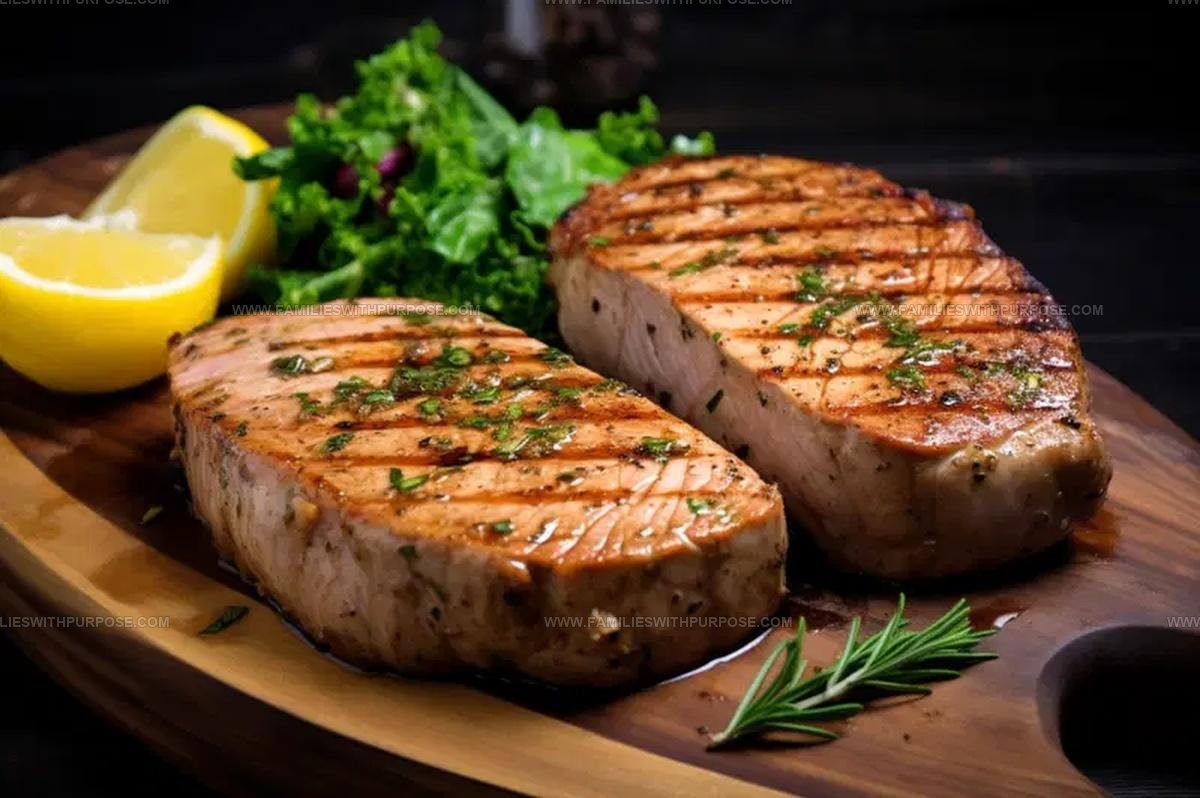
Seared tuna steaks deliver bold flavor and impressive presentation while remaining surprisingly simple to prepare at home.
The high-heat cooking method creates a perfectly caramelized exterior that contrasts beautifully with the tender, ruby-red center.
Whether planning a special dinner for two or hosting a sophisticated gathering, this protein-packed option fits seamlessly into any occasion.
The versatility means pairing options range from Asian-inspired to Mediterranean influences, adapting beautifully to whatever mood or preference you have in mind.
Quick cooking time makes weeknight meals feel less rushed while still offering something special that stands out from typical dinner rotation.
What seems like an upscale restaurant exclusive becomes an achievable home-cooking win that builds confidence in the kitchen.
When properly executed, each bite offers satisfying texture and rich flavor that rivals what you'd find at high-end establishments.
Why Seared Tuna Steaks Are Worth It
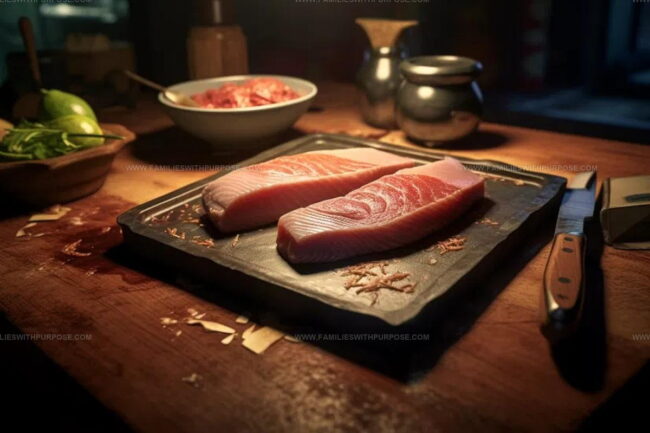
Seared Tuna Steaks Ingredients
Main Protein:Seasoning:Marinade Components:Cooking Ingredients:Garnish (Optional):Kitchen Tools Used for Seared Tuna Steaks
Seared Tuna Steaks Cooking Directions
Prepare the Tuna
Grab those 2 tuna steaks and give them a good pat down with paper towels until they’re completely dry. Sprinkle salt and black pepper all over both sides, making sure to cover every inch with seasoning.
Create the Marinade
Grab a shallow dish and mix together the flavor makers for your marinade:
Whisk these together until they’re well combined.
Marinate the Fish
Plop the seasoned tuna steaks into the marinade, making sure they’re completely coated. Slide the dish into the refrigerator for 15-30 minutes to let those flavors sink in.
Prepare the Skillet
Pull out a skillet and pour in 2 tablespoons of olive oil. Heat it over medium-high heat until the oil starts to shimmer and looks ready for action.
Drain and Sear
Take the tuna out of the marinade, letting any extra liquid drip off. Carefully place the steaks into the hot skillet.
Cook to Perfection
Sear the tuna for 1-2 minutes on each side. This will give you a rare to medium-rare cook that keeps the inside pink and tender.
Add Final Touch
Sprinkle some sesame seeds over the tuna during the last minute of cooking for a delightful crunch.
Rest and Slice
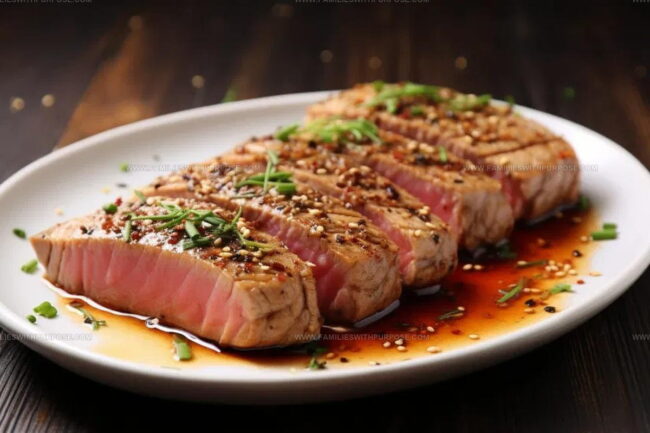
Remove the tuna from the heat and let it rest on a cutting board for a few minutes. Then slice against the grain into thin, beautiful pieces.
Serve and Enjoy
Plate up those gorgeous tuna slices. If you’re feeling fancy, toss a few lime wedges on the side for an extra zesty kick. Your perfectly seared tuna is ready to devour!
Which Tips Shape Seared Tuna Steaks
Which Seared Tuna Steak Variations Are Ideal
How to Pair Seared Tuna Steaks
Storage Guide for Seared Tuna Steaks
Seared Tuna Steaks FAQs Explained
Is fresh tuna better than canned?
Fresh tuna provides superior texture and flavor compared to canned, allowing you to control cooking and seasoning perfectly.
Can I eat tuna rare?
Raw or rare tuna is safe when using sashimi-grade fish from a reputable seafood market. Always confirm quality with your fishmonger.
How do I know when tuna is cooked properly?
For rare tuna, sear each side for 1-2 minutes. The center should remain pink and slightly translucent.
What type of tuna works best for this recipe?
Ahi or yellowfin tuna steaks are excellent choices because they have firm, meaty texture and mild flavor.
Should the tuna be room temperature before cooking?
Remove tuna from refrigerator 15-20 minutes before cooking to ensure even searing and optimal taste.
Can I substitute the marinade ingredients?
Stick to the original recipe for authentic flavor, but you can swap sesame oil with another neutral oil if needed.
Seared Tuna Steaks Recipe
- Total Time: 24-39 minutes
- Yield: 2 1x
Description
Tuna steaks deliver a quick seafood dinner that practically melts in your mouth with minimal prep. Seared to perfection and seasoned with simple herbs, these steaks make weeknight cooking feel like a gourmet experience.
Ingredients
Main Ingredients:
- 2 tuna steaks
Marinade:
- 2 tablespoons soy sauce
- 1 tablespoon sesame oil
- 2 cloves garlic
Seasoning and Cooking:
- Salt (to taste)
- Black pepper (to taste)
- 2 tablespoons olive oil
- Sesame seeds (optional)
- Lime wedges (optional)
Instructions
- Thoroughly dry 2 tuna steaks (6-8 ounces each) with paper towels. Generously season both sides with salt and black pepper.
- Create a marinade by whisking 2 tablespoons soy sauce, 1 tablespoon sesame oil, and 2 finely minced garlic cloves in a shallow dish.
- Submerge your tuna steaks completely in the marinade. Refrigerate for exactly 15-30 minutes to infuse flavor.
- Preheat a skillet with 2 tablespoons olive oil over medium-high heat until the oil begins to shimmer and ripple, about 2-3 minutes.
- Remove tuna steaks from marinade, letting excess liquid drip back into the dish. Discard remaining marinade.
- Carefully place tuna steaks in the hot skillet. Sear for precisely 1-2 minutes per side for rare to medium-rare doneness, reaching an internal temperature of 125°F.
- Sprinkle 1 tablespoon sesame seeds over the tuna during the final 30 seconds of cooking for added crunch and visual appeal.
- Transfer seared tuna to a clean cutting board. Allow to rest for 3-4 minutes to redistribute internal juices.
- Using a sharp knife, slice tuna against the grain into thin, elegant pieces about ¼ inch thick.
- Arrange sliced tuna on serving plates. Garnish with fresh lime wedges for a bright, citrusy accent.
Notes
- Fresh tuna steaks work best when they’re thick and have a deep red color, indicating high quality and freshness.
- Pat the fish completely dry before seasoning to ensure a perfect sear and prevent steaming instead of browning.
- Marinate briefly to enhance flavor without breaking down the delicate fish’s texture, keeping the total time under 30 minutes.
- For rare tuna, sear quickly at high heat, which preserves the fish’s buttery texture and beautiful color while developing a flavorful crust.
- Adapt for low-sodium diets by replacing soy sauce with coconut aminos or reduced-sodium tamari.
- Gluten-free diets can easily modify this recipe by using tamari instead of traditional soy sauce.
- Prep Time: 20-35 minutes
- Cook Time: 4 minutes
- Category: Pan-Seared
- Method: Sautéing
- Cuisine: American
Nutrition
- Serving Size: 2
- Calories: 500 kcal
- Sugar: 1 g
- Sodium: 900 mg
- Fat: 35 g
- Saturated Fat: 5 g
- Unsaturated Fat: 28 g
- Trans Fat: 0 g
- Carbohydrates: 3 g
- Fiber: 1 g
- Protein: 45 g
- Cholesterol: 80 mg
Sophie Lane
Recipe Developer
Expertise
Family-friendly Meals, Simple Healthy Cooking, Ingredient Substitutions, Beginner-friendly Recipes, Flexible Meal Prep
Education
- Program: Professional Cook Certificate
- Focus: Online culinary training covering knife skills, cooking techniques, and plant-based and modern cooking approaches.
Schoolcraft CollegeSophie brings a calm and flexible approach to Families With Purpose. Based in Fort Collins, Colorado, she creates recipes that feel simple, clear, and easy to make at home. She focuses on family-friendly meals, healthy everyday cooking, ingredient swaps, and beginner-friendly ideas. Sophie helps make each recipe approachable and easy to follow, especially for busy families who need meals that can bend with the day.