
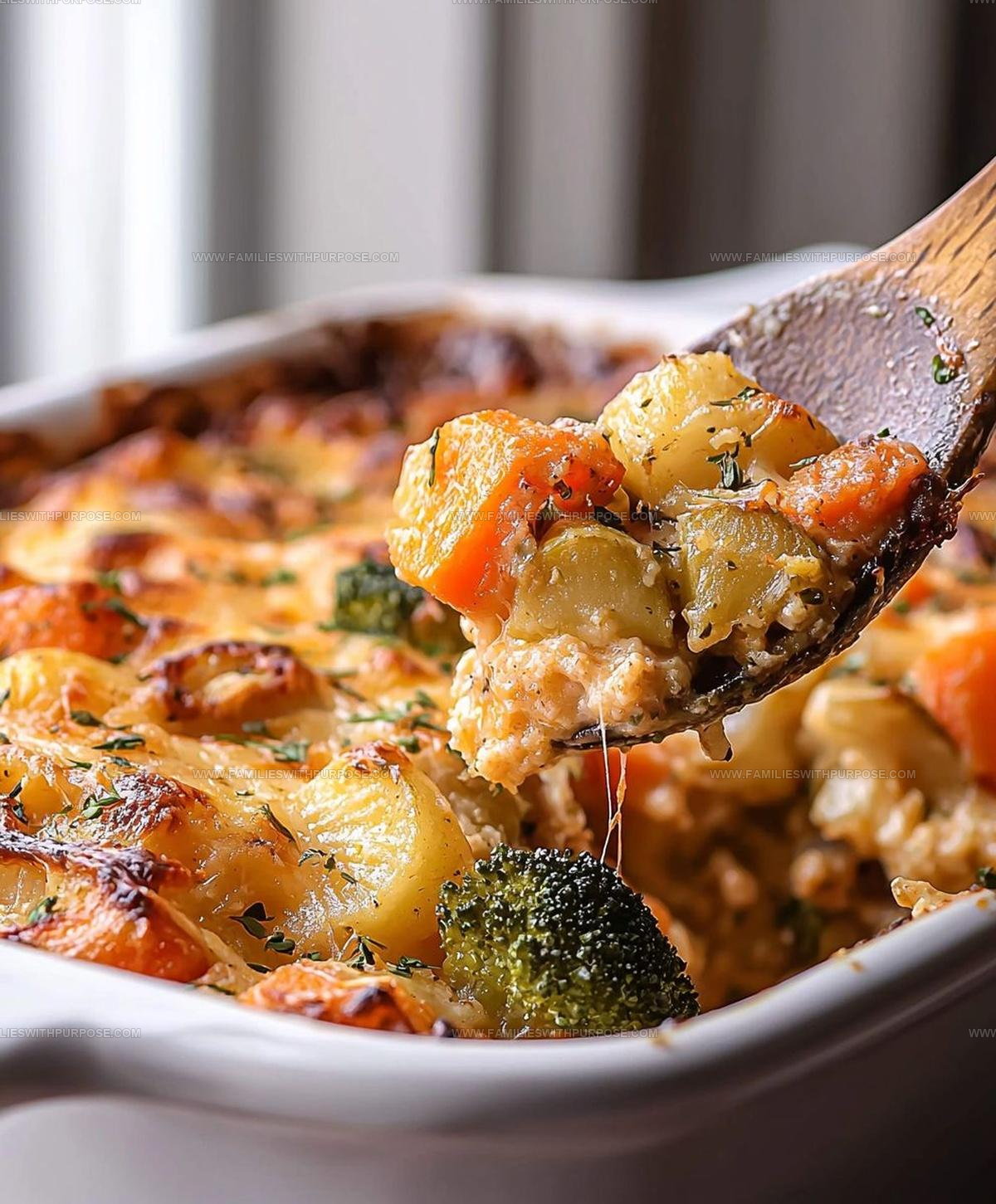
Hearty Vegetable Casserole Recipe for Family Dinners

Vegetable casserole recipe delivers comfort food at its finest while keeping meals wholesome and satisfying for any occasion.
Nothing beats a bubbling hot dish that brings everyone together around the dinner table with minimal fuss.
Whether it's a busy weeknight or a relaxed weekend gathering, this meal solution works beautifully every single time.
You can feel good about serving something both nourishing and delicious without spending hours in front of the stove.
The golden, bubbly top and tender layers underneath make every bite feel like a warm hug on a plate.
When life demands simplicity without sacrificing flavor or satisfaction, few options compete with a well-made casserole that practically cooks itself while you handle everything else on the to-do list.
Why Vegetable Casserole Is a Reliable Classic
What Goes Into Vegetable Casserole
Primary Vegetables:Frozen Vegetables:Liquid and Sauce Components:Herbs and Seasonings:Topping Ingredients:What Tools Bake Vegetable Casserole
Step by Step Instructions for Vegetable Casserole
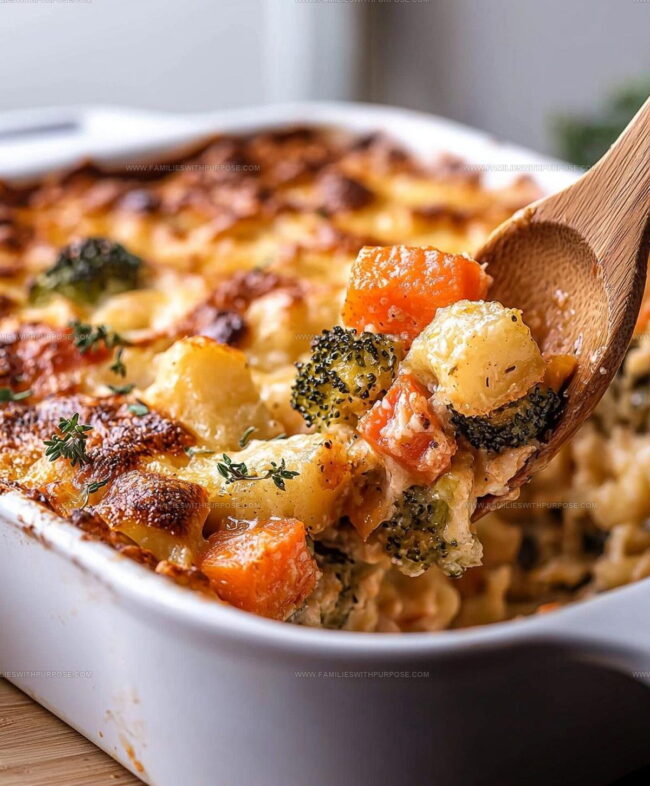
Chop Vegetables
Grab that cutting board and sharp knife. Time to transform these fresh veggies into bite-sized pieces. Chop the large onion into small bits, mince those garlic cloves, and dice the red, green, and yellow bell peppers. Slice up the zucchini and yellow squash into neat chunks. Pull out the frozen corn and peas and let them thaw on the counter.
Heat the Skillet
Warm 2 tablespoons of olive oil in a large skillet over medium heat at 350F. Toss in the chopped onion and let them get soft and translucent, which takes about 5-7 minutes. Add the minced garlic and stir for 1 minute until it smells amazing.
Cook Vegetable Medley
Drop these colorful ingredients into the skillet:
Cook these veggies until they start to soften, around 8-10 minutes. Stir in the thawed corn and peas, heating them through for 2-3 minutes.
Build the Sauce
Pour in the following sauce ingredients:
Bring the mixture to a simmer, then lower the heat. Let it bubble gently for 10-15 minutes, stirring occasionally. Splash in 1 cup of vegetable broth and mix well.
Prepare Baking Dish
Crank the oven to 375F. Grease a 9×13 inch baking dish with butter or cooking spray. Pour the vegetable mixture into the dish, spreading it evenly across the surface.
Add Cheese Topping
Sprinkle 1 cup of shredded cheddar cheese over the vegetable mixture, covering it completely.
Create Crispy Breadcrumb Layer
Mix 1/2 cup breadcrumbs with 2 tablespoons melted butter in a small bowl. Scatter this buttery mixture over the cheese, ensuring an even coating.
Bake the Casserole
Slide the dish into the preheated oven. Bake for 20-25 minutes until the cheese melts completely and the breadcrumb topping turns golden brown.
Rest and Serve
Pull the casserole out of the oven. Let it rest for 5-10 minutes so the flavors can settle and it’s easier to serve. Enjoy your colorful vegetable creation!
What Makes Vegetable Casseroles Comforting
Easy Vegetable Casserole Variations
How Can Vegetable Casserole Be Served
How to Store Vegetable Casserole for Reheating?
Vegetable Casserole Reader Q&A
Can I make this casserole ahead of time?
Absolutely! Assemble the casserole up to a day before and refrigerate. Just add an extra 10 minutes to your baking time when you’re ready to cook.
Are fresh or frozen vegetables best for this recipe?
Both work great. Fresh vegetables give a crisp texture, while frozen can be more convenient and still deliver excellent flavor.
How can I make this dish more protein-packed?
Add cooked quinoa, diced tofu, or white beans directly into the vegetable mixture before baking. These options blend perfectly with the existing ingredients.
What if I cannot eat dairy?
Replace the cheddar cheese with nutritional yeast or dairy-free cheese alternatives. The breadcrumb topping will still provide fantastic crunch.
Can this casserole be frozen?
Yes! Wrap tightly in plastic wrap and aluminum foil after assembling. Freeze for up to three months. Thaw overnight in the refrigerator before baking.
Is this recipe gluten-free?
Use gluten-free breadcrumbs and verify your vegetable broth is gluten-free to make this dish safe for those with gluten sensitivities.
Vegetable Casserole Recipe
- Total Time: 1 hour 1 minutes – 1 hour 17 minutes
- Yield: 6 1x
Description
Veggie lovers rejoice with this hearty vegetable casserole that brings comfort straight to your dinner table. Packed with seasonal produce and a creamy cheese topping, this dish delivers warmth and flavor your family will absolutely adore.
Ingredients
Primary Vegetables:
- 1 large onion
- 2 medium zucchini
- 2 medium yellow squash
- 1 red bell pepper
- 1 green bell pepper
- 1 yellow bell pepper
- 2 cloves garlic
Supporting Frozen/Canned Ingredients:
- 1 10-ounce package frozen corn
- 1 10-ounce package frozen peas
- 1 14.5-ounce can diced tomatoes
- 1 15-ounce can tomato sauce
Seasonings and Finishing Ingredients:
- 1 teaspoon dried oregano
- 1 teaspoon dried basil
- ½ teaspoon dried thyme
- ¼ teaspoon red pepper flakes
- 1 cup vegetable broth
- 2 tablespoons olive oil
- 1 cup shredded cheddar cheese
- ½ cup bread crumbs
- 2 tablespoons melted butter
- Salt
- Pepper
Instructions
- Slice and dice the onion, garlic, bell peppers, zucchini, and yellow squash into uniform pieces about ½-inch thick. Remove frozen corn and peas from the freezer to thaw.
- Pour 2 tablespoons olive oil into a large skillet over medium heat (375F). Add chopped onion and sauté for 5-7 minutes until translucent and soft.
- Toss minced garlic into the skillet and cook for 1 minute until fragrant. Your kitchen will start smelling amazing.
- Add chopped bell peppers, zucchini, and yellow squash to the skillet. Cook for 8-10 minutes, stirring occasionally until vegetables soften slightly.
- Mix in thawed corn and peas. Stir and cook for 2-3 minutes until everything is heated through.
- Pour 1 (14.5-ounce) can of diced tomatoes and 1 (15-ounce) can of tomato sauce into the vegetable mixture.
- Sprinkle 1 teaspoon each of oregano and basil, ½ teaspoon thyme, and ¼ teaspoon red pepper flakes. Add salt and pepper to taste.
- Reduce heat to low and simmer the mixture for 10-15 minutes, stirring every few minutes. Stir in 1 cup vegetable broth.
- Preheat your oven to 375F. Grease a 9×13 inch baking dish with cooking spray or butter.
- Transfer vegetable mixture to the prepared baking dish, spreading evenly across the surface.
- Sprinkle 1 cup shredded cheddar cheese over the vegetables, covering completely.
- Mix ½ cup bread crumbs with 2 tablespoons melted butter in a small bowl until crumbs are evenly coated.
- Scatter buttered bread crumbs across the cheese layer, creating a light, even coating.
- Bake the casserole for 20-25 minutes until cheese melts completely and bread crumbs turn golden brown.
- Remove from oven and let the casserole rest for 5-10 minutes before serving. This helps the dish set and makes cutting easier.
Notes
- Customize the vegetable mix by using seasonal or frozen vegetables for convenience and budget-friendly options.
- Swap regular breadcrumbs for gluten-free alternatives if preparing for someone with gluten sensitivity.
- For a protein boost, add cooked diced chicken, ground turkey, or crumbled tofu before topping with cheese.
- Prep vegetables ahead of time and store in the refrigerator to streamline cooking and make dinner assembly faster.
- Prep Time: 15-20 minutes
- Cook Time: 46-57 minutes
- Category: Sautéed
- Method: Sautéing
- Cuisine: American
Nutrition
- Serving Size: 6
- Calories: 172 kcal
- Sugar: 5 g
- Sodium: 310 mg
- Fat: 9 g
- Saturated Fat: 3.5 g
- Unsaturated Fat: 5 g
- Trans Fat: 0 g
- Carbohydrates: 18 g
- Fiber: 4 g
- Protein: 6 g
- Cholesterol: 15 mg
Mason Carter
Founder
Expertise
Family Meal Routines, Simple One-pot Meals, Budget-friendly Cooking, Quick Dinner Planning, Batch Cooking Systems
Education
- Certificate: Culinary Arts
- Focus: Training in core cooking techniques, kitchen operations, and real food preparation through hands-on experience in professional-style kitchens.
Penn Foster Career School (Online)Mason is the founder of Families With Purpose and the heart behind its simple, family-focused recipes. Based in Greenville, South Carolina, he creates meals that fit into busy routines and bring people back to the table. He focuses on easy dinners, one-pot meals, budget-friendly cooking, and practical weekly meal planning. Mason has built a recipe collection shaped by real family life, with clear methods and repeatable meals that work on everyday schedules.